Wobbly Letters, Real Hands: In Defense of the Hand-Painted Marquee
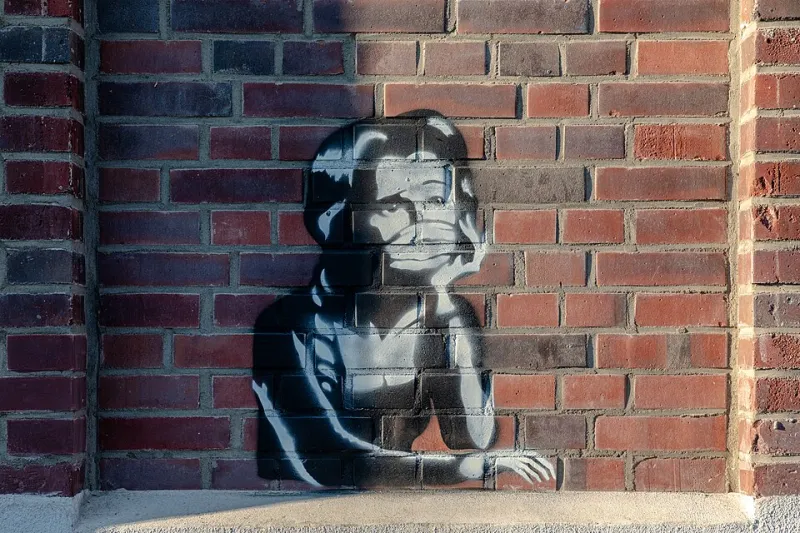
Photo: Dietmar Rabich, CC BY-SA 4.0, via Wikimedia Commons
Somewhere between the vinyl banner and the LED board, America made a decision: signs should be perfect. Uniform. Machine-cut. And in doing so, we quietly retired one of the country's great vernacular arts — the hand-painted marquee, lettered by a person with a mahl stick, a quirt of one-shot enamel, and opinions about kerning.
I want to make the case that this is a loss worth fighting, and that the people still fighting it deserve your attention.
The Wobble Is the Signature
Look closely at a hand-lettered marquee — say, the one outside a single-screen cinema in small-town Ohio or a vaudeville house in Texas — and you'll see it: letters that breathe. A capital R with a leg that kicks a little wider than its neighbor. A row of dates where the numerals lean into each other like old friends.
A font can't do that. A font is a corpse of a letterform, stamped ten thousand times. Hand lettering is alive because a wrist made it, and wrists get tired, get confident, get show-offy. That slight irregularity is proof of a human being's presence on a specific Tuesday afternoon.
Digital signage tells you what's playing. A painted marquee tells you someone in this town cared what's playing.
The Keepers
There's a small fraternity of sign painters — many in their sixties and seventies, a few startlingly young — who still drive between theaters and drive-thrus repainting letterboards and wall signs by hand. You'll know their work by the brush-drawn serifs and the occasional flourish that no template would permit.
A few names circulate among enthusiasts, and any road-tripper with a good eye should learn them:
- The letterboard traditionalists — painters who keep changeable-letter marquees crisp, hand-cutting each character in the classic condensed style that defined mid-century movie houses.
- The wall-sign muralists — the ones taking on whole building sides, reviving ghost signs and repainting theater facades in enamel that will outlive the paint brands that made it.
- The pinstripers-turned-letterers — hot-rod and sign-painting crossover artists whose decorative flourishes turn a simple "NOW SHOWING" into a small piece of public art.
- The drive-thru classicists — a stubborn subset keeping menu boards and roadside stands lettered by hand, one greasy repainting at a time.
If you pass a marquee and the letters have that confident wobble, take a photo. Better, buy a ticket. Nothing keeps a sign painter employed like a theater that stays open.
Why It's Worth Defending
The pragmatic argument: hand-painted signs last decades with maintenance, can be touched up locally, and don't depend on a supply chain for panels and pixels.
But the real argument is cultural. Hand lettering is one of the last art forms ordinary Americans encounter daily without paying for it. It's a museum you can park in front of. When we replace it with backlit sameness, we're not upgrading — we're erasing the handwriting of our towns.
Support the theaters that commission the work. Hire a letterer for your storefront. And the next time someone calls a hand-painted sign unprofessional, point out that it took a professional to paint it — and forty years of practice to make it look that easy.